
more
Peru
Posts tagged with Peru
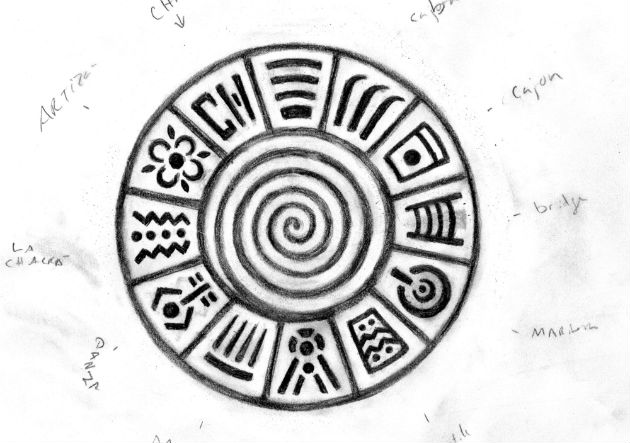
Much time and research went into its design, so the “icon” could thoughtfully and equally represent the twelve artisan groups we brought from Peru to the National Mall.
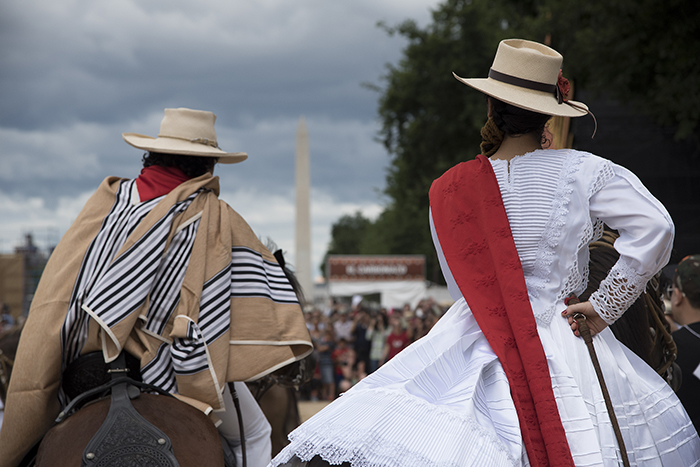
The first week of the Festival closed with our first of two Community Days, as we welcomed Peruvians living in the United States to share their adaptations of cultural traditions.
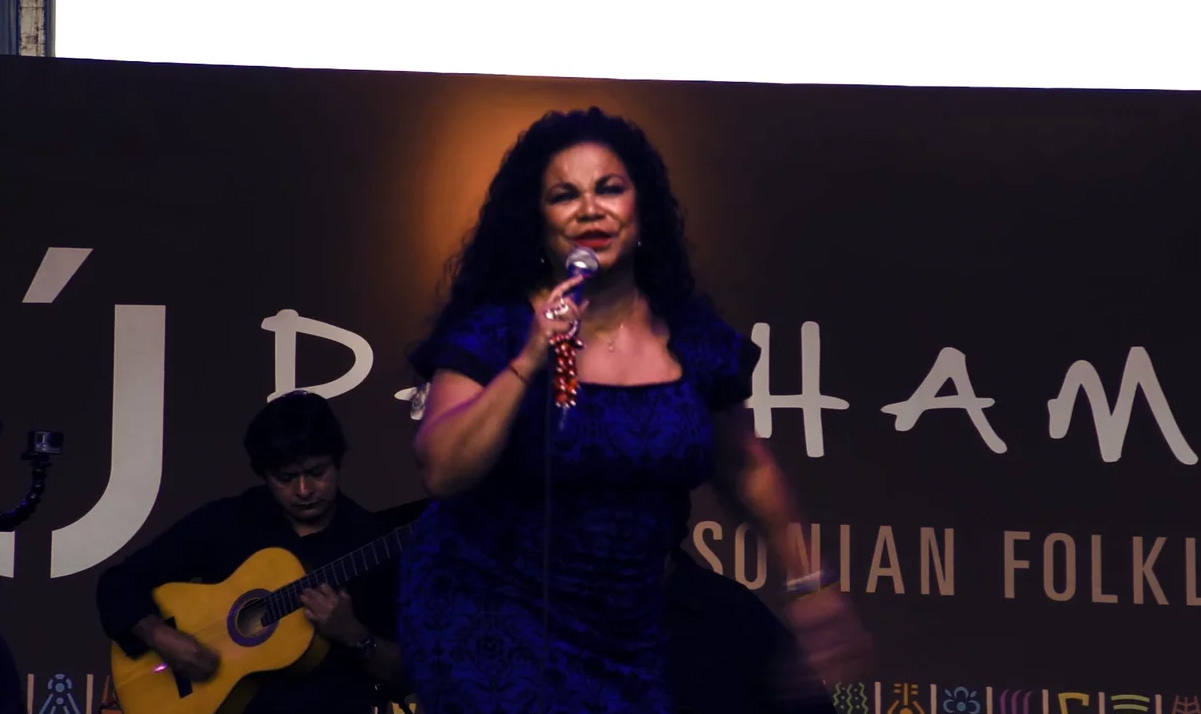
Eva Ayllón began singing and dancing as a young girl in Lima, carrying on traditions of Afro-Peruvian music: the combination of Andean, Spanish, and African influences, characterized by spirited rhythms.

Rain drove the Folklife Festival inside today, but that didn’t stop the participants of Perú: Pachamama from sharing their traditional knowledge and artistic talents with the public.
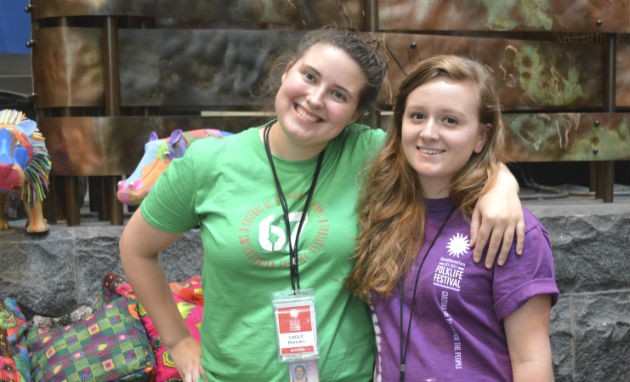
As the Marketplace interns, we have a few recommendations for our fellow D.C. summer interns, students, and other people living on the cheap.

The first Friday of the Festival marked some extra special events. We welcomed Perú: Pachamama’s first four-legged participants: five alpacas from Maryland
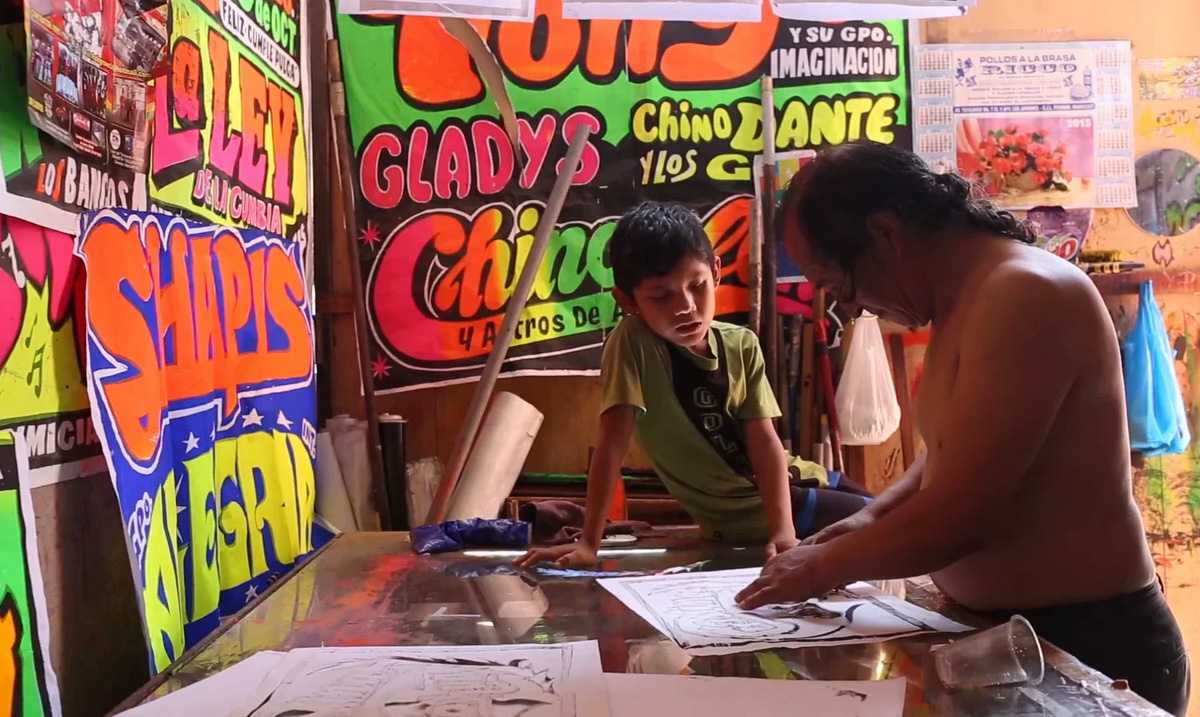
Silkscreen artist Pedro “MONKY” Rojas uses the same bold colors worn by mountain Quechua people to create advertisements for chicha musicians.
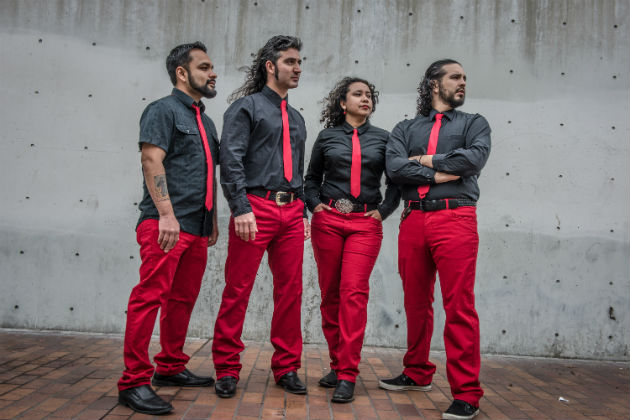
Chican@ music is not a genre, but rather an embodied experience. For almost one hundred years, musicians coming out of barrios in the southwestern United States have been articulating the complex identities and politics of a people.
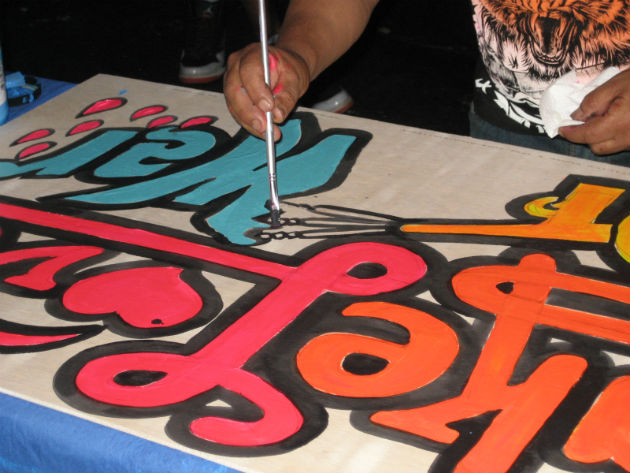
Chicha silkscreen artist Pedro “MONKY” Tolomeo and Festival presenter Alfredo Villar (a.k.a. DJ Sabroso) arrived a few days early last week, just in time for the SMITHSONIAN at 8 kickoff event, “Chicha! A Peruvian Dance Party.”
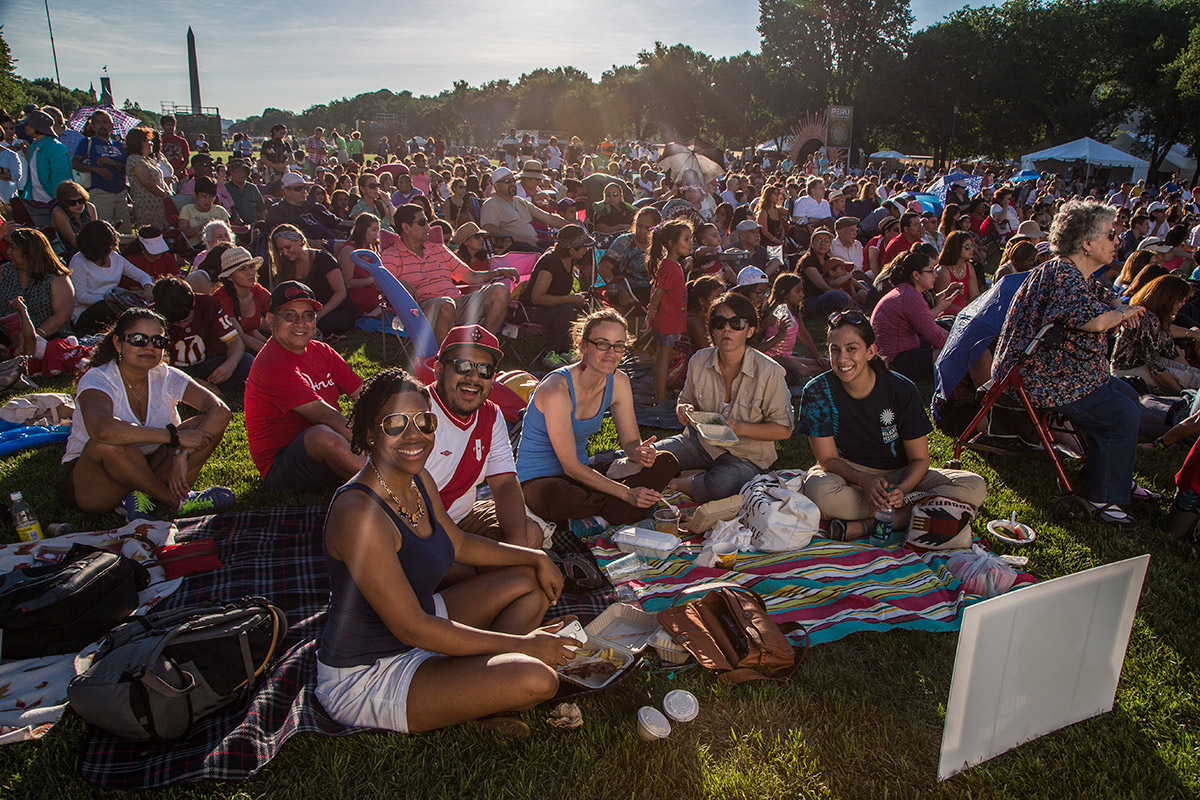
The National Mall was filled with the sounds of storytelling, foot stomping, and rope twirling as the 2015 Folklife Festival’s Perú: Pachamama program entered its second day.
Support the Folklife Festival, Smithsonian Folkways Recordings, Cultural Vitality Program, educational outreach, and more.