
more
Peru
Posts tagged with Peru
Led by the Smithsonian Accessibility Program, Morning at the Mall is designed to allow individuals with cognitive and sensory processing disabilities to experience the Folklife Festival in a calm and welcoming environment.
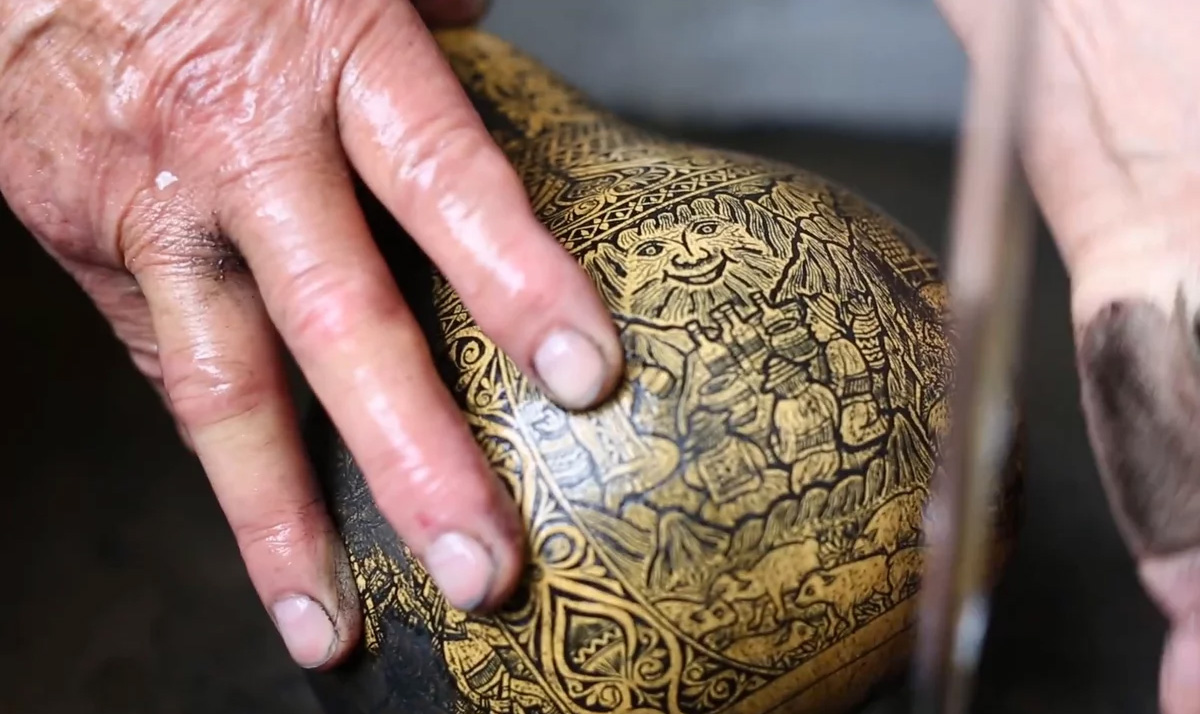
Eulogio Medina Sanabria has dedicated his life to the Peruvian art of mate burilado (gourd carving). While many carvers are drifting away from tradition, Sanabria continues to focus on detailed techniques
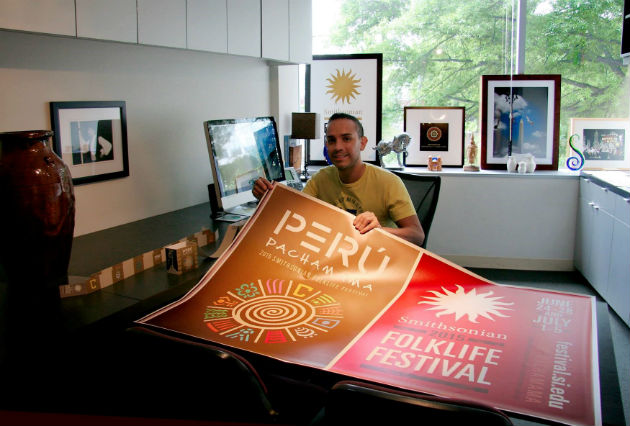
Since 2009, art director Josué Castilleja has designed eighteen logos for the Smithsonian Folklife Festival. For the Perú: Pachamama program, he and his design staff have developed over 250 designs

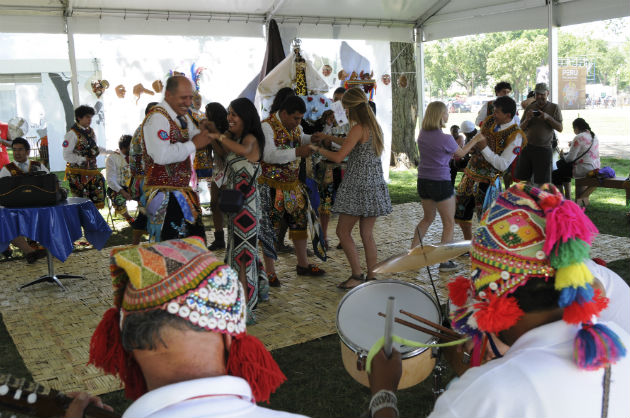
The 2015 Smithsonian Folklife Festival opened today with the flare of woolen skirts and the roar of a hundred hand drums. Our Opening Ceremony for the Perú: Pachamama program took place in the National Museum of the American Indian’s Rasmuson Theater
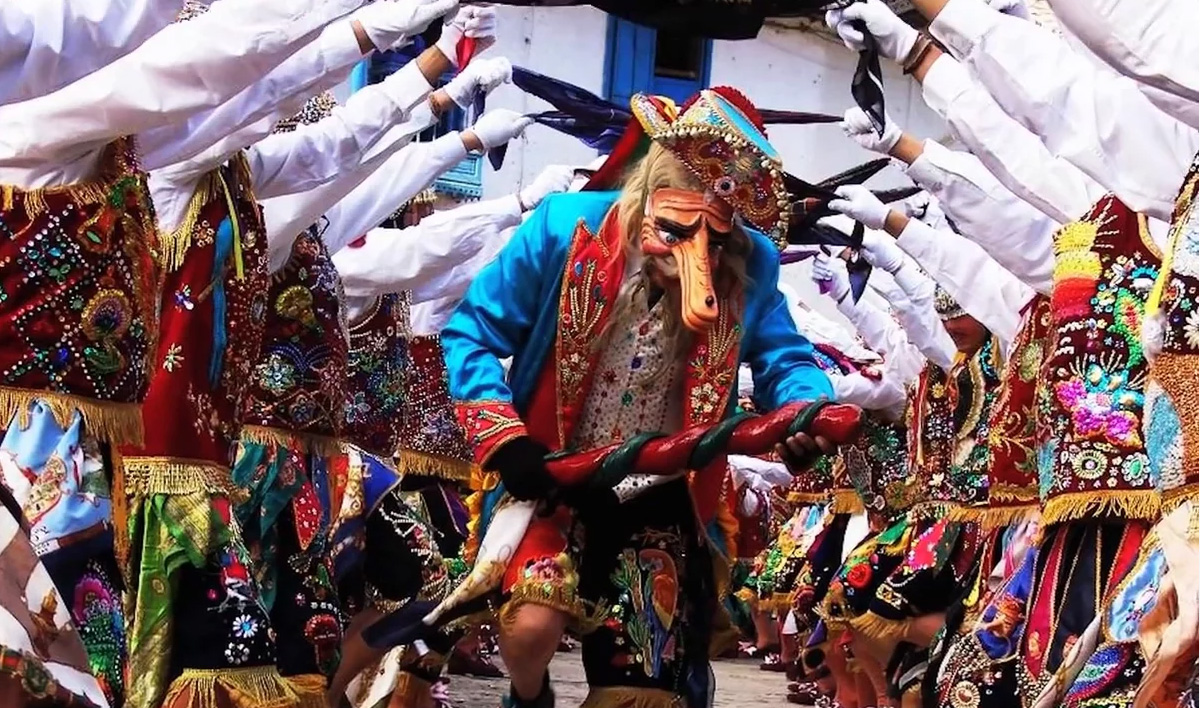
Meet the people and places featured in the Perú: Pachamama program in this introductory video for the 2015 Folklife Festival.

The Smithsonian Folklife Festival is turning 49 this year, and we think our Perú: Pachamama program deserves a welcome as vibrant and dynamic as the performers, artisans, cooks, and musicians representing their country on the National Mall.
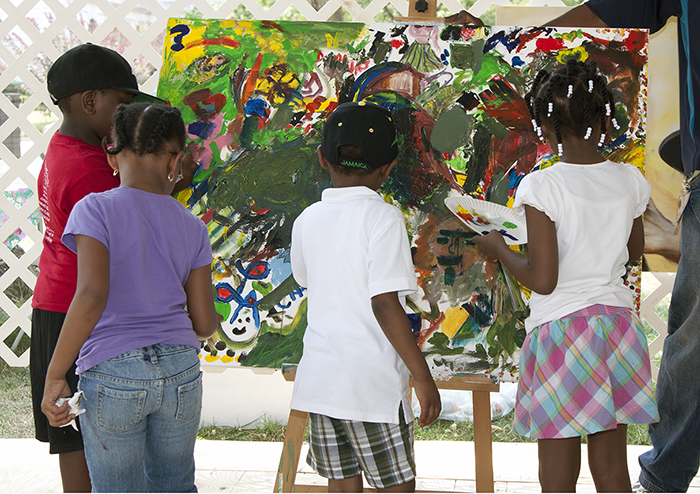
If you plan to bring your whole family to the Folklife Festival, look for the big circular tent called the Wawawasi Kids Corner.

The Smithsonian Folklife Festival is ten days of music, dance, storytelling, processions, ceremonies, and more. The sights, sounds, and smells can be quite a sensory overload.
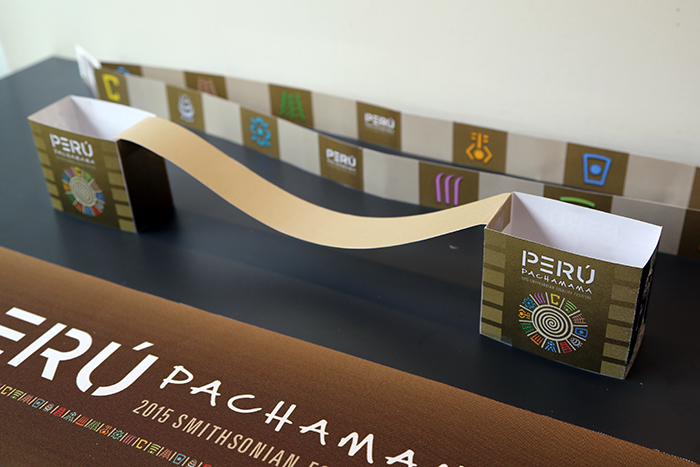
An event as large as the Folklife Festival relies on many moving parts behind the scenes, and the technical team has one of the most important roles in ensuring that the National Mall is ready for thousands of visitors
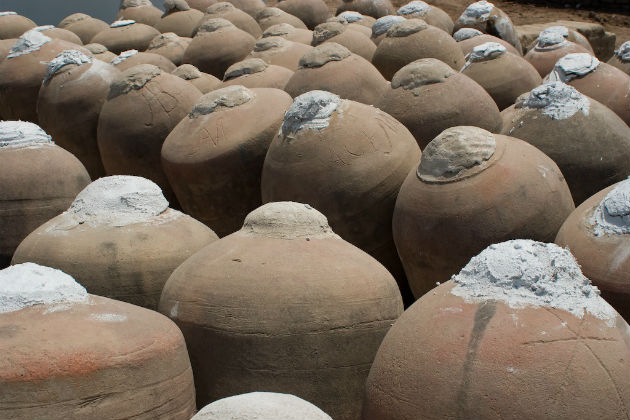
Long regarded as the national spirit of Peru, pisco is a grape brandy whose unique flavor and fragrance unites the European vine, the sunshine of Peru’s southern coast, and the wisdom of potters who create the jars in which the drink is stored.
Support the Folklife Festival, Smithsonian Folkways Recordings, Cultural Vitality Program, educational outreach, and more.