
more
Peru
Posts tagged with Peru
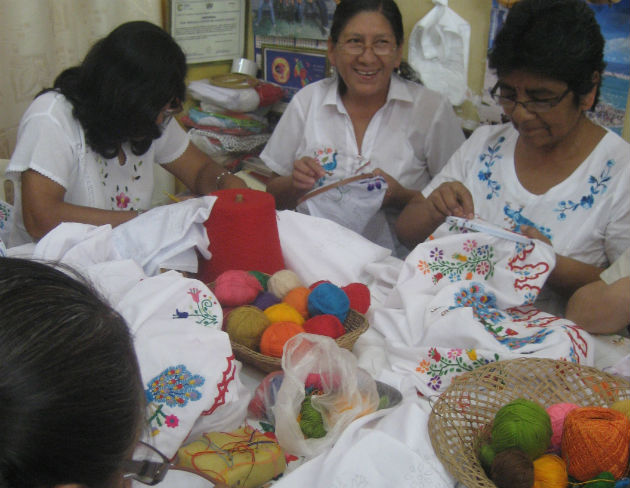
This year’s Marketplace isn’t just a place to buy. It’s a place to meet some of Peru’s most talented artists and craftspeople and learn about the traditions behind the objects available for sale.

Did you know that the Folklife Festival is the largest composting and recycling effort on the National Mall?

Rufino Turpo shares the life-sustaining role of Pachamama: mother of all living beings, the core of existence, the symbol of fertility.
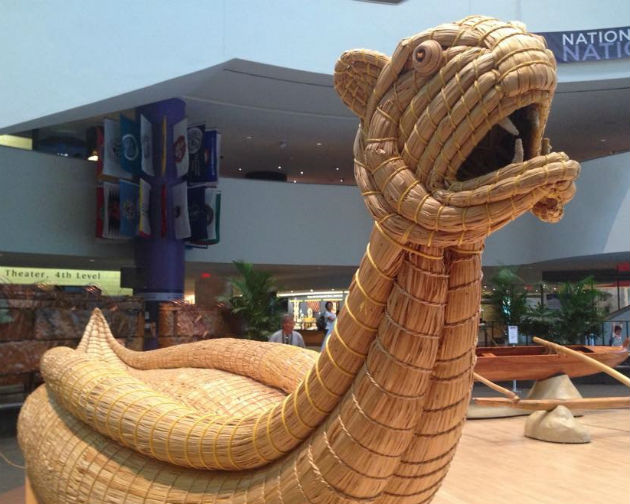
During my summer as an intern at the Smithsonian Center for Folklife and Cultural Heritage in Washington, D.C., I want to soak in as much of the city as possible.
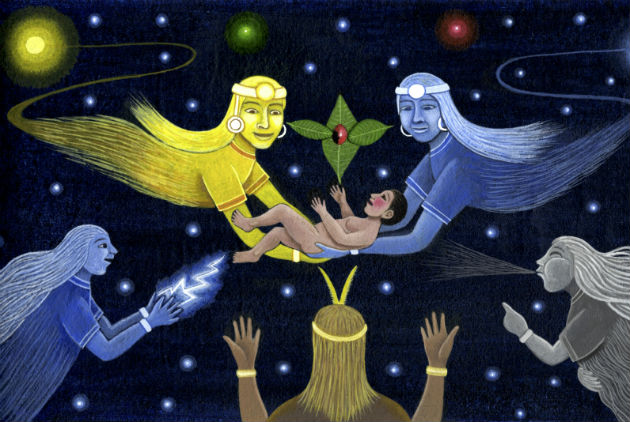
Influenced by the biodiversity of southern Peru and the Amazon, the paintings of Brus Rubio and Ángel Callañaupa depict a profound link between art and the natural world.

Last year, my father went to Peru for research. He came back with a myriad of anecdotes, one of which really caught my attention: “We went into a small restaurant, which was almost a kitchen, and my cousin ordered a cuy.

Hanging across the Apurímac River in Huinchiri, Peru, is the world’s last remaining traditional Inka rope bridge: the Q’eswachaka.
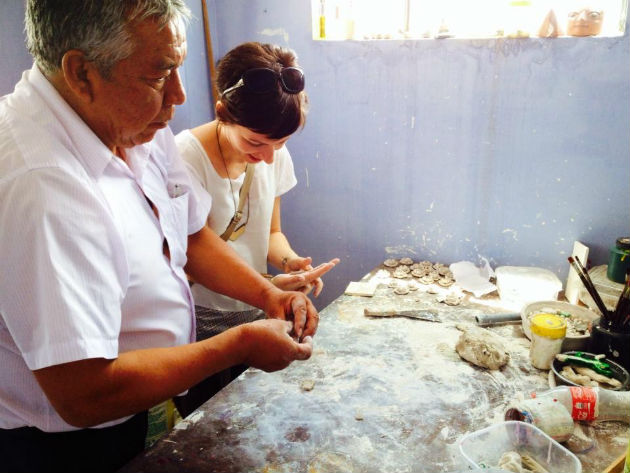
Two hundred miles southeast of Lima, Ayacucho has a rich craft heritage—ceramics, painted tin, masks, and retablo (story boxes)—with techniques rooted in Wari culture of this Andean region from about 500 to 1000 AD.

Born in the town of Moche in northern Peru, Ronald Fernández has dedicated his life to preserving and promoting the traditional Mochera style of Marinera, the national dance of Peru.
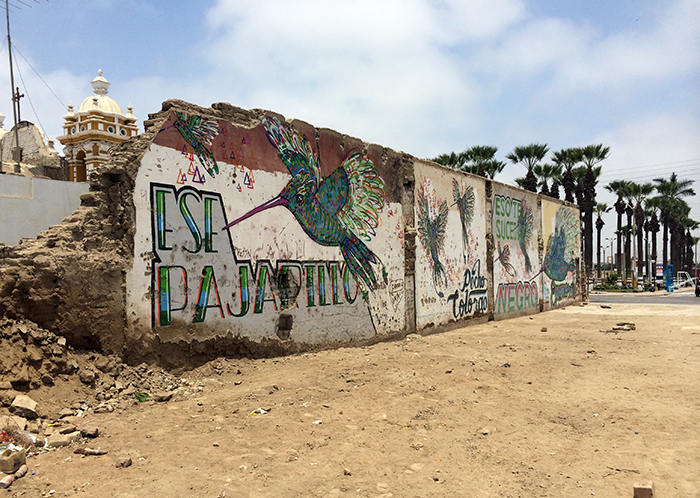
Our travels helped us better understand Peruvian folklife, and by the end I was absolutely sure of at least one thing: Peru must be the world’s No. 1 consumer of paint.
Support the Folklife Festival, Smithsonian Folkways Recordings, Cultural Vitality Program, educational outreach, and more.