
more
Foodways
Posts tagged with Foodways
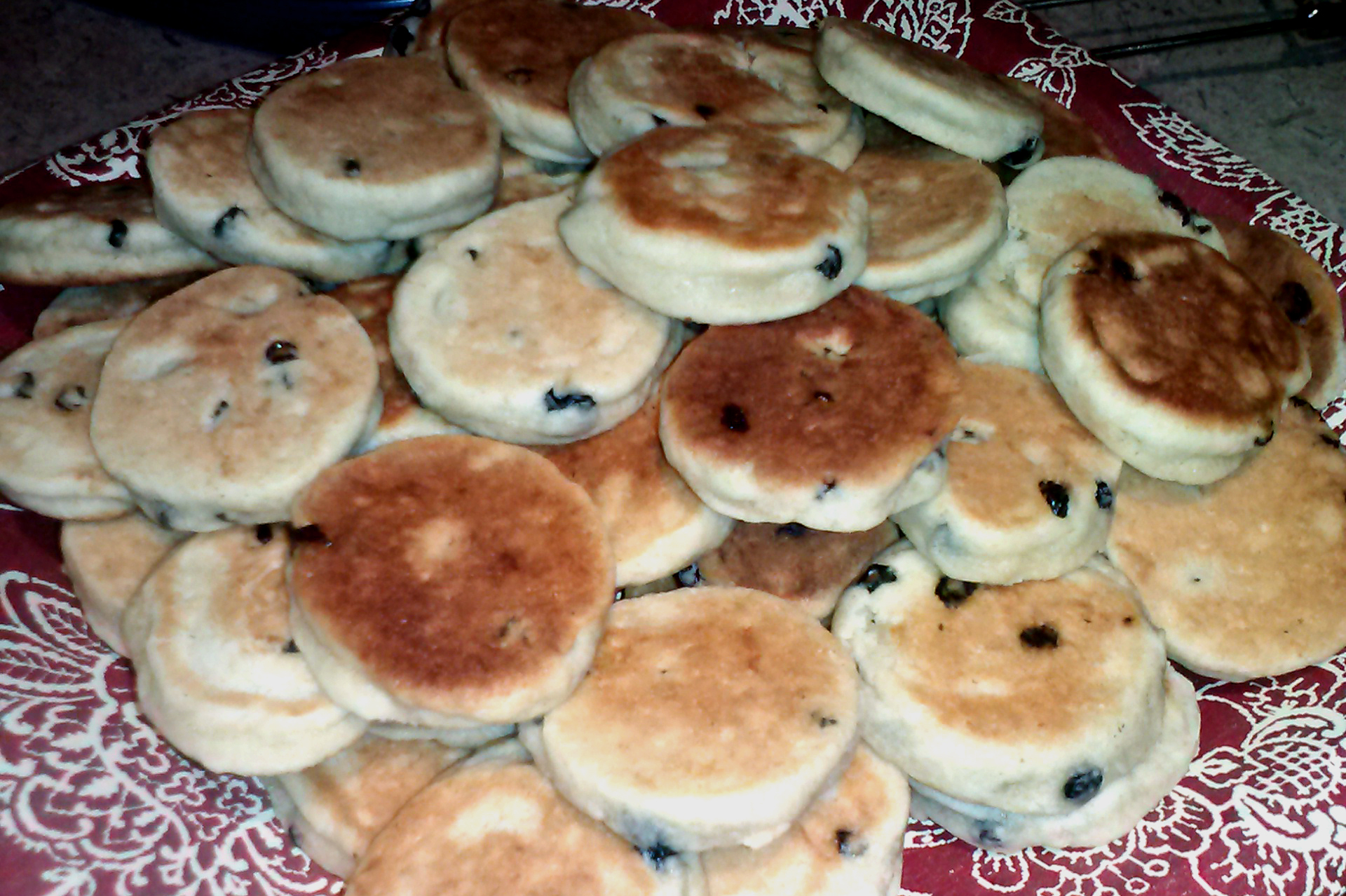
March 1 is St. David’s Day which is celebrated in Wales with daffodils, children dressed in a version of what is considered the national costume of Wales, and, of course, Welsh cakes
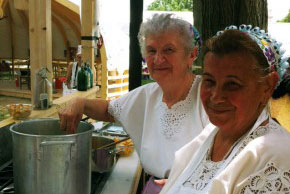
On the closing day of the 2013 Folklife Festival, Ilona Bolvári and Éva Bagó of the Kalocsa region of Hungary prepared one of the most iconic examples of Hungarian folk cuisine
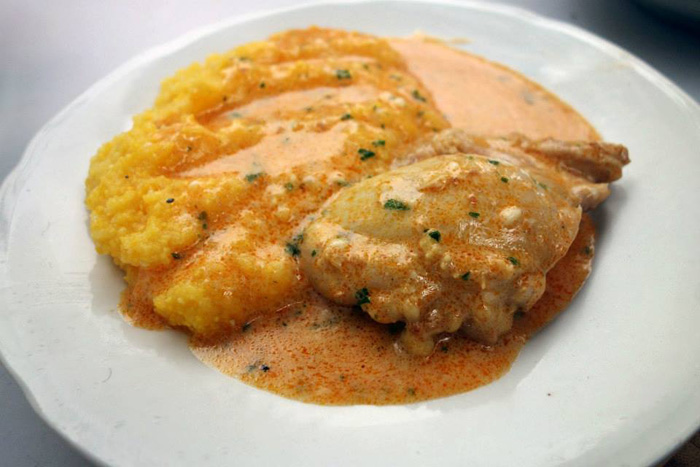
Porridge made of ground corn (or, more traditionally, corn flour) has been documented in writing from as early as the beginning of the 18th century.
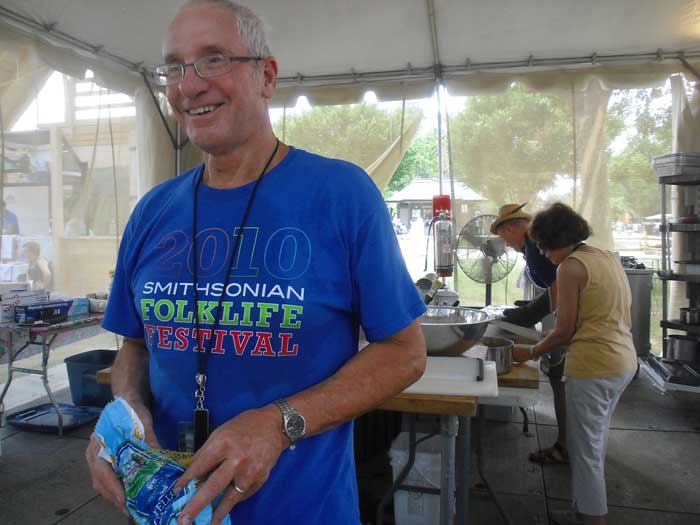
With one full day of the 2013 Folklife Festival remaining, foodways coordinator Arnie Malin took a break to talk about his work with the foodways portion of the Festival.
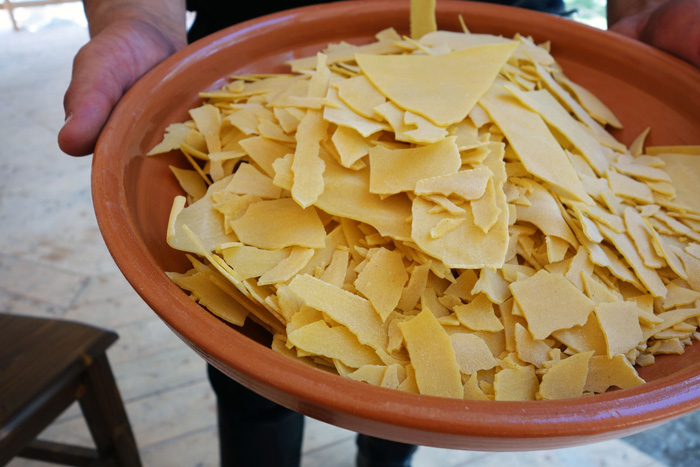
Cauldrons were bubbling over open fire as usual yesterday afternoon at the Hungarian Heritage program’s Cauldron Cooking area, where the Csontos shepherd family of Karcag prepared their famously delicious version of slambuc.
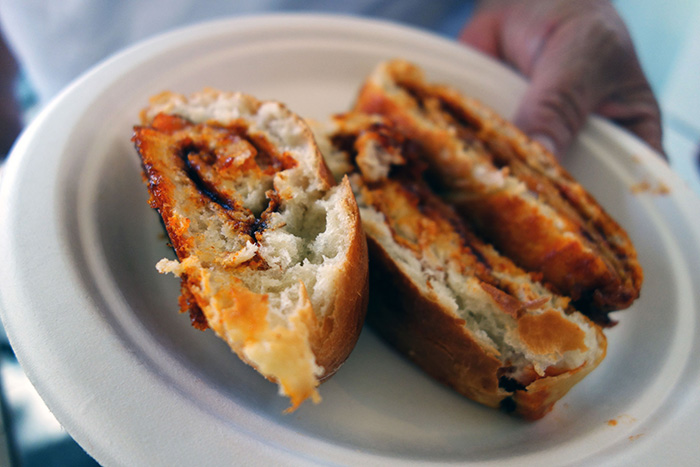
This pastry is often served either as dessert or instead of a main dish, following a hearty soup or stew.
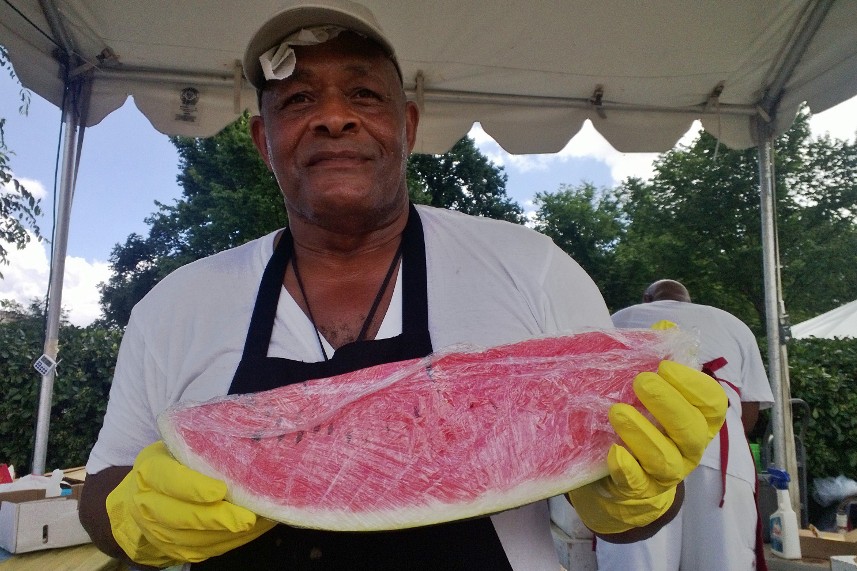
Historically, this particular brand of street vendor sells fresh fruit and vegetables from a decorated horse-drawn cart, singing out songs to attract customers.
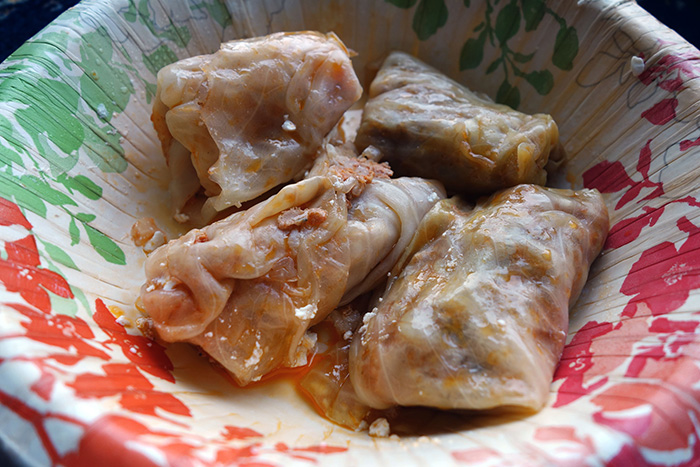
Stuffed cabbage rolls are truly iconic dish, representative of the Szék region of Romania.
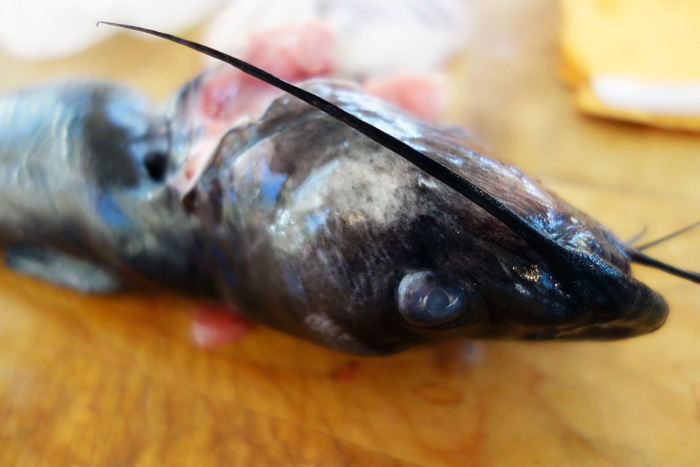
Halászlé (Hungarian fisherman’s stew) is a popular celebratory dish, often served during Lent or on Christmas Eve.
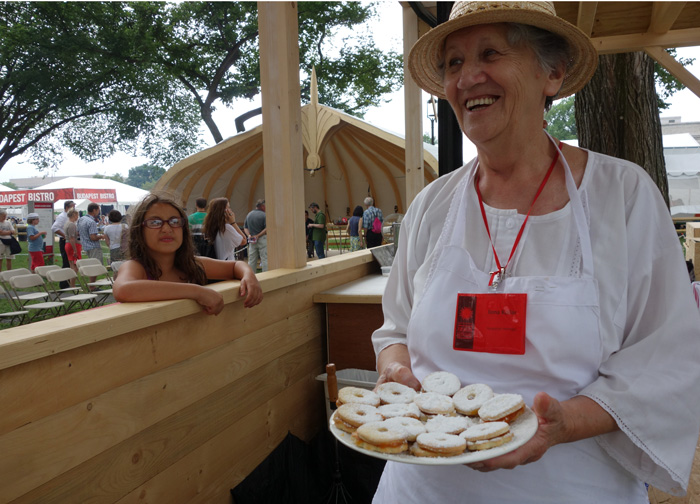
Almost every Hungarian grandmother seems to have a brittle, hand-written note safely stored between pages of her cookbook that holds the recipe for this beloved comfort food, the Vanilla Wreath cookie.
Support the Folklife Festival, Smithsonian Folkways Recordings, Cultural Vitality Program, educational outreach, and more.